- New & Used Industrial Alarm Parts Items
- sku: 2706422384763721
- GRI 199-12-B
199-12-B GRI Door Contact
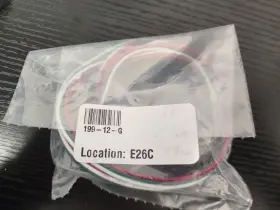
| Brand | GRI |
|---|---|
| Manufacturer Part Number | 199-12-B |
| Part Type | DOOR |
Review GRI Door Contact
The GRI 199-12-B and GRI 199-12-G Door Contacts are versatile and reliable security devices designed to detect when a door or window has been opened. These contacts are an essential component of a wired security system and are commonly used in both residential and commercial applications.
The GRI 199-12-B and GRI 199-12-G Door Contacts consist of two parts: a fixed magnet and a movable armature. When the door or window is closed, the magnet and the armature are in close proximity, allowing the circuit to be completed, and the alarm system remains deactivated. However, when the door or window is opened, the magnet and the armature are separated, breaking the circuit, and triggering the alarm.
The contacts are made of high-quality brass material, which is resistant to corrosion and ensures reliable performance over an extended period. The contacts are also adjustable, allowing for fine-tuning to accommodate doors or windows of various sizes.
The GRI 199-12-B and GRI 199-12-G Door Contacts have a low voltage requirement, making them energy-efficient and cost-effective to operate. They are also compatible with most standard wired security systems and can be easily integrated into existing installations.
The contacts come with mounting screws and plastic anchor plates for secure installation on doors or windows. The plastic anchor plates provide a clean and professional appearance and help protect the finish of the door or window from damage during installation.
The GRI 199-12-B and GRI 199-12-G Door Contacts are easy to install and require no special tools or expertise. The contacts can be installed in a few simple steps, including attaching the magnet to the fixed portion of the door or window frame, securing the armature to the movable portion, and connecting the wires to the security system.
In summary, the GRI 199-12-B and GRI 199-12-G Door Contacts are essential security devices that provide reliable protection against unauthorized entry. They are made of high-quality materials, adjustable, energy-efficient, and easy to install. With their versatility and dependability, these contacts are an excellent choice for securing doors and windows in various applications.
Door contacts, specifically models 199-12-B and 199-12-G from Honeywell, are commonly used in security systems for monitoring door openings. Let's examine the pros and cons of investing in these door contacts.
Pros:1. Reliability: Honeywell is a leading brand in security systems. These door contacts are known for their durability and reliability.
2. Easy Installation: These door contacts can be easily installed without the need for professional help, saving you installation costs.
3. Versatile: They can be used with various types of security systems, including wired and wireless systems.
4. Adjustable Sensitivity: Both models offer adjustable sensitivity, allowing users to customize the contact based on the door's movement characteristics.
5. Tamper Resistant: The design of these door contacts makes them difficult to tamper with, increasing security.
Cons:1. Battery-Operated: Model 199-12-G is battery-operated, which may require occasional battery replacements, adding to the cost.
2. Limited Range: For wireless systems, the range of these door contacts may be limited, requiring the transmitter to be installed close to the door.
3. Magnetic Contact: These door contacts use magnetic contacts to detect door openings, which may not be suitable for some applications, such as doors with large gaps.
In conclusion, door contacts 199-12-B and 199-12-G offer several advantages, including reliability, easy installation, versatility, adjustable sensitivity, and tamper resistance. However, their battery-operated nature (in the case of model 199-12-G), limited range (for wireless applications), and magnetic contact design are potential drawbacks.
Considering these factors, if you're looking for a reliable and versatile door contact for your security system, these Honeywell models would be a good choice, especially if you're comfortable with occasional battery replacements or have a wired system. However, if you require a longer range or a contact design that doesn't rely on magnets, other options may be more suitable for your needs.
Details:
Gri, 199-12-G, door contact.
specifications alarmpartsacc:
- brand: Gri
- mpn: 199-12-b
- part type: Door
returns alarmpartsacc:
- paid by: buyer
- policy: returns accepted
- method: money back
- time: 30 days
payments alarmpartsacc:
- other
- wallet: paypal
- credit card: diners-club
offer alarmpartsacc:
- best offers: true
- sold #: 15
- in stock #: 5
- prices: $10.00–$26.99
- item condition:
- New – Open box
- New
- started: september 12, 2025
- availability: in stock
- options: ship-to-home
seller alarmpartsacc:
- # reviews: 484
- city: north vernon, indiana
- rating: 98.5%
general alarmpartsacc:
- category: Business & Industrial > Surveillance Equipment > Systems > Alarm Parts Accessories
shipping alarmpartsacc:
- type: calculated
- class: standard
- service: usps ground advantage
- carrier: usps
- transit: 4-10 days
Similar Items:
- Gri 195-12wg 195-12wg-w Door Contacts 3 4 Inch Steel Switch White Qty 10 The units are new as shown...(November 4th, 2024)
- George Risk Industries 8080-t-w Gri 8080-twg-w 3 4 Inch Steel Door Recessed Switch Set Wide Gap Bog Of 10 Brand new sealed bag of 10. Gri 8080-T-W 3/4 recessed door contacts with magnets...(November 10th, 2024)
- Gri 50rs-12-w New Lot Of 10 1 4 Inch White Recessed Door And Window Contacts With Mag Brand new bag of 10 Gri 1/4 recessed alarm contacts with magnets...(November 10th, 2024)
- Gri 190-wg Lot Of 3 Pairs 2-q-22 Steel Door Recessed Switch Magnetic Contact 190-WG / 2-Q-22, new old stock surplus, surplus job stock, no original package...(November 17th, 2024)
- Gri 180-12wg-w Nos 10 Pack Magnetic Steel Fire Rated Door Recessed Contact 180-12wg See pictures for details. Actual color of product may vary slightly due from photographs to monitor / device display settings. Gri recessed enforcer contacts, package includes 10 contacts 12X magnets, see pictures for items specifications, new, old stock. Signs of wear / dirty from storage. Comes as...(December 9th, 2024)
- Gri 35hn Recessed Magnetic Contact 1-q-09 180n0 Gri 35HN recessed magnetic contact 1-Q-09 / 180 no new open box, not in original oem packaging may have minor scratches, blemishes, etc. From moving around, etc...(December 11th, 2024)
- Gri 2020-12wg 8 Pc N2020-12wg-b With Rare Earth Magnets 3 8 Inch Alarm Door Sensor 8 pieces sets of 10 pack Gri model 2020 -12WG black contact free shipping...(December 24th, 2024)
- Gri 195-12wg-g 3 4 Inch Diameter Dpdt Steel Door Recessed Magnetic Contact Gap Made with durable materials, this magnetic contact ensures reliable performance and long-lasting use in challenging environments. This is not applicable to those who received a damaged package. Box at this time. Gri 195-12WG-G 3/4 diameter DPT steel door recessed magnetic contact gap: the is a ...(December 31st, 2024)
- George Risk Industries Gri-4532 Overhead Door Switch George risk industries GRI-4532 overhead door switch pn: GRI4532 GI-4532 2202-A floor mount set 2-1/2 gap 10W 200VDC 0.50A closed loop 1-NO 24 armored cable...(January 4th, 2025)
- Gri 180-12-w Pack Of 10 3 4 Inch Recessed Magnetic Steel Door Contacts And Magnets Pack of 10 Gri 180-12-W 3/4 recessed magnetic steel door contacts magnets...(January 7th, 2025)
- Gri 8080-t-g 3 4 Inch Steel Door Switch Gray 10-pack Nib There are 10 switches and magnets gray in color. This Gri 8080-T-G 3/4 steel door switch, gray, 10-PACK is new and sealed in their original factory packaging. They have never been used or installed. Fast and free shipping...(January 18th, 2025)
